

A boat that’s easily handled by a couple, or even alone, completely changes the dynamic. You can still welcome others on board, but there’s no longer any risk of a stressful search for extra crew, or potentially being forced to sail with strangers, and you can keep to a schedule that suits you.
Equally, many owners spend extended periods of three or four – or even 9 or 10 months – afloat each year. Even if they prefer sailing with others, it’s rarely practical to share that much time with friends or family.
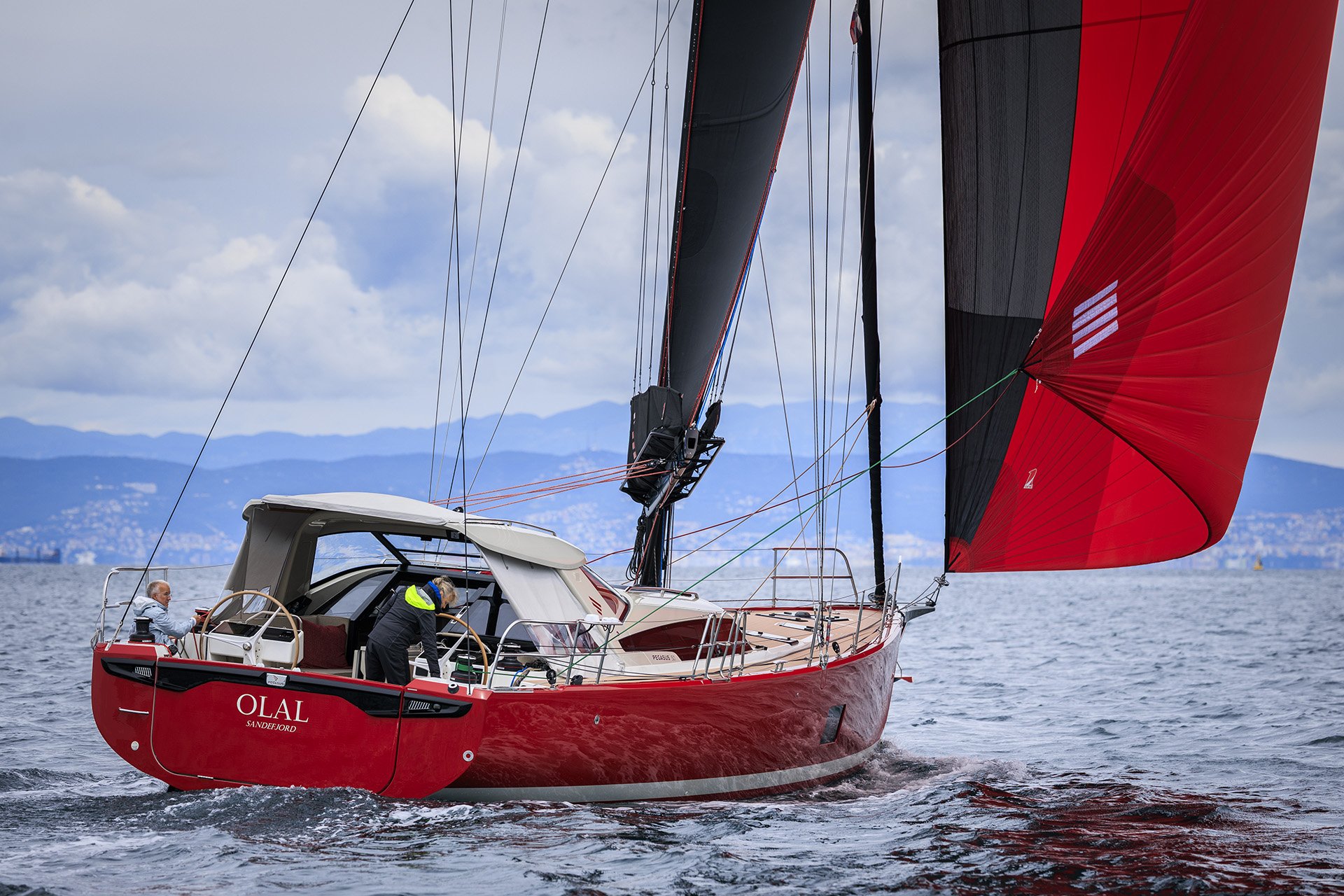
At the same time, today’s lifestyles also make it increasingly difficult to find crew with flexibility. Most people have busy schedules and are therefore unable to commit the time needed for longer passages. This is especially true for bluewater sailing, where owners plan to cross oceans, explore far-flung places or circumnavigate.
Privacy is another important factor. Many sailors want peace, independence and the ability to live life on their own terms. They do not want to adapt constantly to the needs of close friends, extended family or a professional crew. They want to sail with their immediate family, or as a couple, and simply enjoy the experience.
At the same time, modern approaches to yacht design have made short-handed sailing easier than ever. These are firmly embedded into the concept behind each Pegasus Yachts model right from the outset, with features that make short-handed sailing as straightforward and hassle-free as possible built into the design, layout and deck gear.
Areas of particular focus include anchoring, berthing, sailing manoeuvres such as tacking, gybing, hoisting sails and reefing, as well as essential safety considerations.
Easy anchoring when you’re alone on deck, for instance, requires more than simply decent ground tackle and a remote control for the windlass. A good view from the helm is essential, as is an arrangement at the bow that allows the anchor to self-launch reliably, without physical help or supervision.
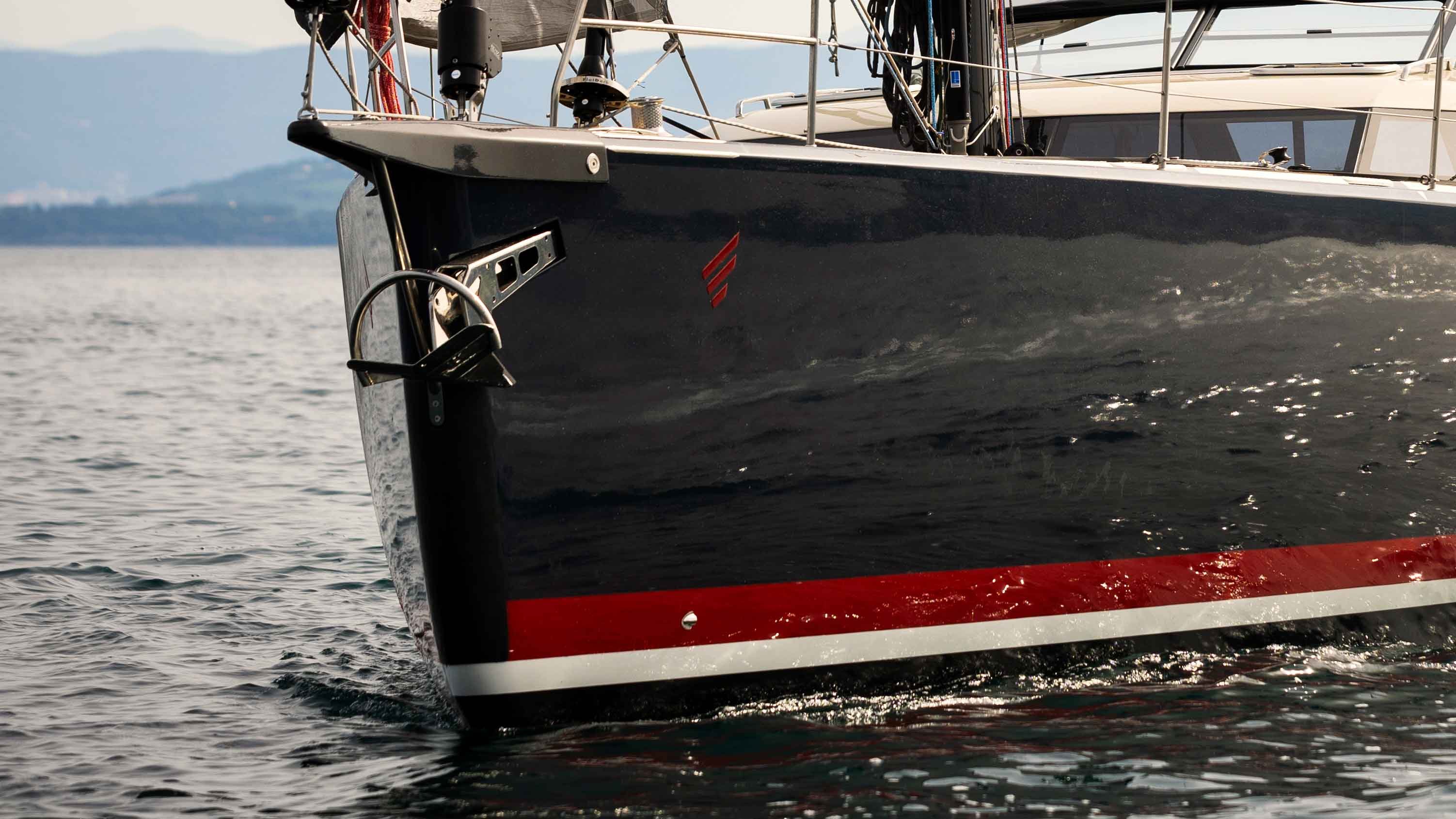
A chain counter is also essential, while an optional mast-mounted video camera, with a display on a chartplotter at the helm station and inside at the navigation station, is a useful bonus, especially when recovering the anchor.
When manoeuvring in tight spaces, the Tandem keel, which improves sailing qualities in open water, helps to make the boat more nimble. Skippers are aided further by bow and stern thrusters, which greatly facilitate accurate positioning of the vessel and help give additional time to get lines ashore safely.
There’s a world of difference in sail handling between boats that are set up to make every operation easy for a lone watch keeper, and those designed on the assumption that several people will always be available on deck. Powered winches, positioned so they can be used for multiple tasks, are a good start in this respect.
However, a more fundamental contribution to easy short-handed handling lies in the very concept of each boat’s sail plan. Pegasus uses furling gennakers that can be left hoisted in up to 30 knots of breeze, together with a furling J1 on the main forestay and a removable J2/staysail that will propel the boat efficiently to windward in heavy weather. This means changing up or down a gear is easily done from the cockpit by only one person.
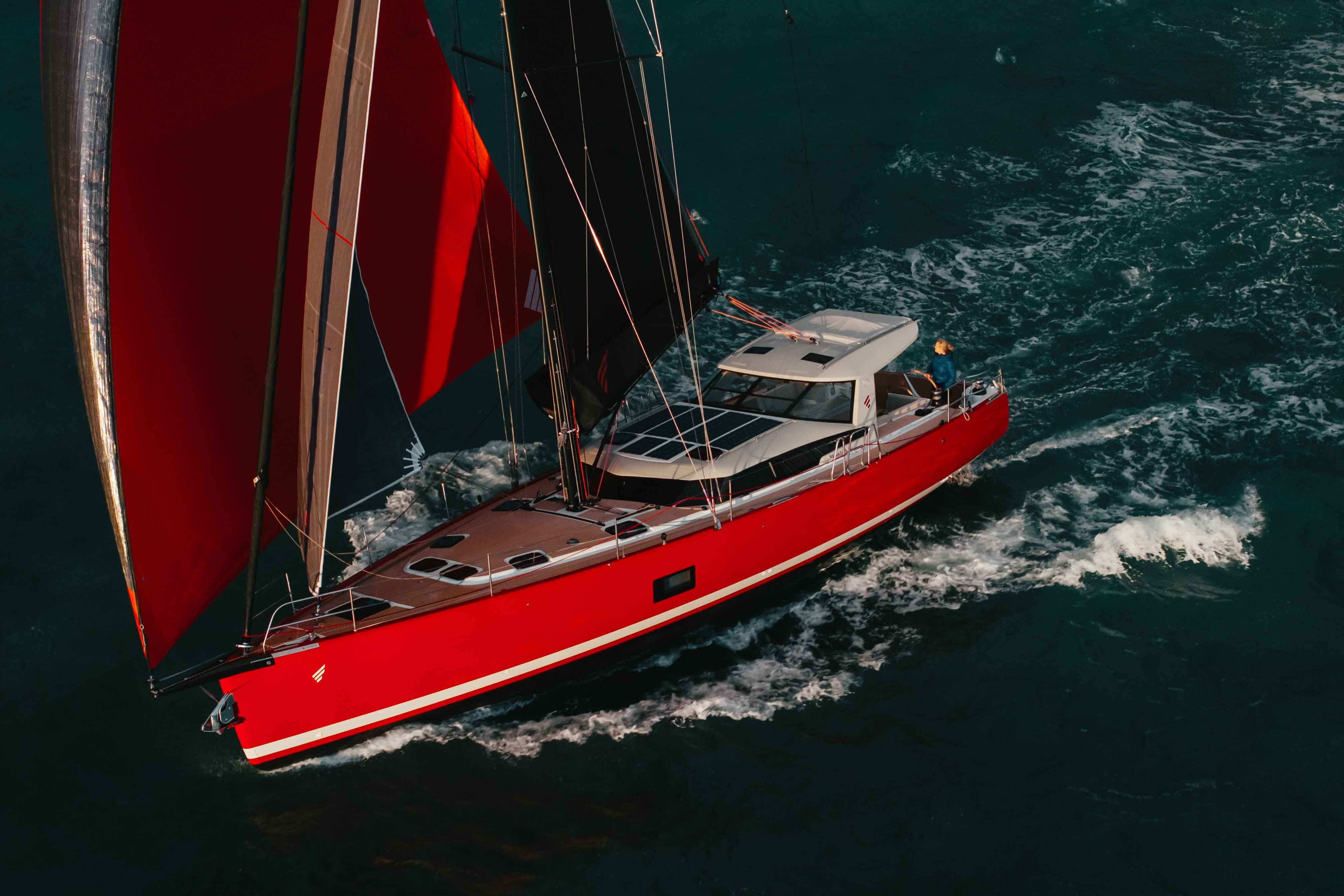
These systems have all been thoroughly tested in the most extreme conditions, by competitors in the Vendee Globe non-stop solo round the world race.
Add a mainsail set up to be reefed easily from the cockpit and you have a sail-handling package that allows a short-handed crew to reduce or increase sail area quickly, safely and without drama.
Reliability of equipment and the redundancy of key systems are also vital factors, yet are all too frequently overlooked. Autopilots, for instance, can fail as a result of problems with the drive ram, the data network, pilot computer problems, or a battery charging issue.
Yet a pilot failure places a huge burden on a two-handed team. Either one person steers while the other tries to troubleshoot – in which case no one sleeps – or you take turns to steer and sleep, leaving precious little time to diagnose and fix the problem.
Pegasus addresses this with two independent pilot systems, together with multiple charging sources. That means even if one means of charging drops out all on board systems can be kept running. Equally, a pilot failure can be resolved immediately by switching to the back-up system. These are enormously reassuring arrangements, even for the most experienced ocean sailors.
- Rupert Holmes

%20(1).jpg)
%20(1).jpg)
